
What Does Buying a Freehold Actually Mean?

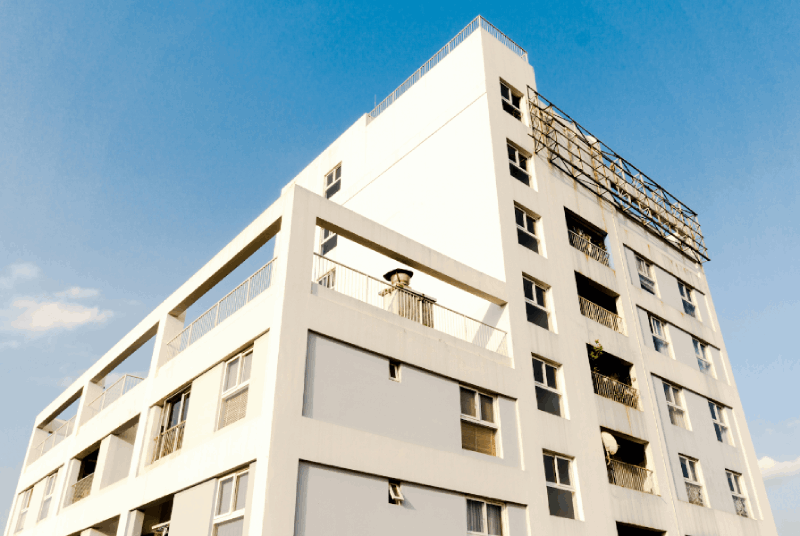
Understand the big difference between freehold and leasehold – and why it matters. Freehold ownership means you own the property and the land it sits on, lock stock and barrel. That comes with its own set of perks and downsides, but there’s also an alternative to consider: buying the freehold, or share of freehold, which has its own pros and cons.
In this guide, we’re going to break down the ins and outs of freehold ownership, explore the concept of share of freehold, talk about the advantages, the costs and the headaches – and offer our expert thoughts on one key question: “What does buying a freehold actually mean?”
What Does Buying a Freehold Mean?
Buying the freehold of a property is a big decision that gives you real control over your home – unlike leasehold, where you’re only renting the place for a fixed time. With freehold, you’re boss, with all the advantages – and responsibilities – that come with being the owner.
In this section, we’ll look at the benefits and drawbacks of freehold, so you can see why it’s the preferred choice for so many people.
Benefits of Freehold Ownership
- You own the place outright: Unlike leasehold, where your ownership is limited to a lease agreement, with freehold you’re free to do what you want with the property, as long as you follow the rules.
- No ground rent or service charges: Because you own the property, you don’t have to pay ground rent or service charges to a landlord – which can save you a pretty penny in the long run.
- You call the shots on alterations: Freeholders get to decide what modifications and renovations get made to the property, without having to get permission from a landlord first.
Responsibilities of Being a Freeholder
- Maintenance and repairs are up to you: As a freeholder, it’s down to you to keep the property maintained and make any necessary repairs – not to mention dealing with any external structures like roofs and walls.
- You’ll need to sort out insurance: Freeholders have to pay for property insurance themselves – which is another cost to factor in.
- You’ll need to keep on top of regulations: As a freeholder, it’s up to you to make sure you’re meeting your legal and local obligations, and getting any necessary planning permissions before making changes to the property.
What Does Buying a Share of a Freehold Mean?
If you want to buy the freehold of a flat, you’ll need to get together with other leaseholders who qualify for something called collective enfranchisement.
Collective enfranchisement is a way for leaseholders to work together to buy the freehold of their property, which can give them more control over their home and a chance to get out of the leasehold altogether. This shared ownership of the freehold is known as a share of freehold – or a collective freehold purchase.
For a share of freehold to work, a few things have to be true:
- Leaseholder Qualification:
- Your original lease had to be for at least 21 years.
- You can only own one or two flats in the building.
- Building Qualification:
- Most of the leaseholders in the building have to want to go down the collective enfranchisement route.
- The building has to be pretty clearly a separate entity from any other building – with its own distinct bit of land and services.
- The building has to be mostly residential, with not too much commercial or non-residential use.
For a comprehensive overview of eligibility criteria, refer to the Full Eligibility Criteria at Lease Advice.
Advantages of a Share of Freehold
- Reduced costs: Purchasing a share of freehold typically means you can charge yourself lower fees than an external freeholder would.
- Increased control: Share of freehold grants individuals greater control over their property compared with leasehold property, as decisions regarding maintenance, renovations, lease extension requests and other matters are made collectively.
- Shared responsibilities: Co-freeholders share responsibilities such as property maintenance, insurance, and decision-making, distributing the burden among multiple parties.
Shared Responsibilities in a Share of Freehold
- Collective decision-making: Co-freeholders must collaborate on major property decisions, ensuring consensus on matters affecting the property.
- Maintenance and upkeep: Responsibilities for property maintenance and upkeep are shared among co-freeholders, promoting shared accountability.
- Financial management: Co-freeholders must manage finances related to property expenses, including insurance premiums, repairs, and other costs.
How Much Does It Cost to Buy the Freehold of a Property?
The cost of purchasing the freehold of a leasehold property varies depending on a large number of factors, including the property’s valuation and purchase price, location and local property prices, and any associated fees. For flat owners, to estimate the value of your share of freehold, you can utilise our Freehold Purchase Calculator, which provides an instant estimation based on relevant inputs.
If you’re considering teaming up with your fellow flat owners to buy the freehold of a building, having a freehold purchase project manager on your side can make all the difference. They’ll be with you every step of the way, from sorting out the tricky bits to paying the fees and signing the contracts – you can count on them to get you through this process smoothly and quickly.
Closing Thoughts
In conclusion, understanding the nuances of freehold ownership and share of freehold is essential for individuals navigating the property market.
While freehold ownership offers autonomy and control, share of freehold presents a viable alternative for budding flat owners, providing advantages such as reduced costs and shared responsibilities. Regardless of the chosen path, seeking professional advice tailored to individual circumstances is paramount.
For expert guidance on freehold purchase and share of freehold arrangements, contact The Freehold Collective today.
What Does Buying a Freehold Mean? FAQs
Can you turn a leasehold flat into a freehold?
Not in the same way that you can buy a flat with a freehold; you can’t just magically turn a leasehold flat into outright freehold. But what you can do is get in on a share of the freehold – which is basically the best way for rental flat owners to get some control and say in how their building is run. When you buy a share of the freehold, you’re part of a collective group that bands together to buy the building’s freehold – which gives you a lot more freedom to make decisions and run the place as you see fit.
What are the downsides of buying a freehold?
If you’re thinking of buying a freehold, the bad news is it comes with some extra work and costs – like being responsible for sorting out maintenance and day-to-day stuff. But, for many people, that’s a small price to pay for the freedom from ground rent and service charges and having a proper say in what happens with the building. And don’t forget, you can always hire a manager to handle most of that for you.
What happens when you all chip in to buy a freehold?
When a bunch of leaseholders team up to buy a freehold, they’re essentially taking part in a thing called collective enfranchisement. And that results in a share of the freehold – which is where everyone who owns a share gets to join in and enjoy the benefits of joint ownership. With a share of the freehold, you’ve got a much better deal – you’re saving cash, in charge of what happens in the building and sharing the workload for maintenance and repairs.