
10 Major Works Examples That Could Affect Your Lease

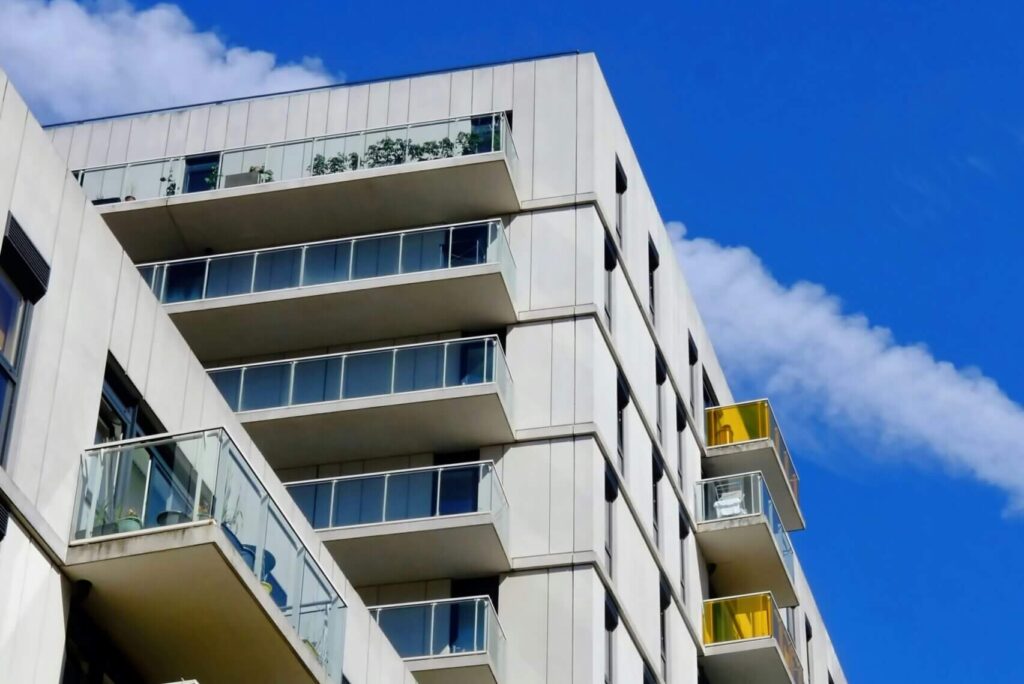
When you live in a leasehold property, your home might feel like it’s truly yours; but legally, many decisions about the building’s upkeep aren’t in your hands.
One of the biggest grey areas is major works: large-scale repair or improvement projects initiated by the freeholder (or their managing agent) that can lead to substantial service charge bills or other consequences for leaseholders.
Whether you’re planning to stay long-term, sell soon, or consider buying your freehold, it’s essential to understand what counts as major works, and how they could affect your lease, your wallet, and your peace of mind.
Here is our position, formed over 12+ years and 600+ leaseholders on the paying side of these bills: the Section 20 consultation regime is a shield — a good one — but it only ever slows a freeholder down. Ownership is the sword. Below are the ten most common categories of major works, and then a true story about what happens to the money that is supposed to pay for them — the Lancaster Court reserve fund, of which £300,000 vanished without a traceable record.
What Are Major Works?
Major works refer to substantial maintenance, repair, or improvement projects carried out on a leasehold property’s building or communal areas. Under Section 20 of the Landlord and Tenant Act 1985, all leaseholders must be consulted if the cost of works exceeds £100 per leaseholder or £250 for any individual leaseholder. While this offers a degree of protection, many leaseholders are caught off guard by unexpected costs or decisions made without their input.
Examples of major works include, but are not limited to:
- Roof & structural repairs and replacements
- External façade work and window replacements
- Communal area upgrades, lift replacements or installations
- Plumbing, electrical and fire safety upgrades
- Landscaping and outdoor area refurbishment
Next, we’ll look at how these major works examples could affect your lease.
10 Major Works Examples That Could Affect Your Lease
1: Roof Replacement
One common example of major works on leasehold flats is roof replacement. Old, damaged, or leaking roofs will eventually become cause for full roof replacements. These works can run into the tens (or even hundreds) of thousands of pounds especially in older or heritage buildings.
Leaseholders are usually liable to cover a proportion of the costs through the service charge. Work can also be noisy and disruptive, especially in top-floor flats. Be sure to stay informed by checking your lease for clauses around structural maintenance responsibilities and cost-sharing.
Collective freehold purchase can help you take control, giving you the right to choose the timing, scope, and contractor for such works.
2: Structural Repairs
This includes reinforcement or replacement of load-bearing walls, foundations, or beams, especially in buildings showing signs of subsidence or major ageing. You may need to temporarily vacate your home if the work is intrusive.
Leaseholders are often required to contribute, even if the issue is historic. Remember to protect yourself, understand if structural repairs fall within your lease obligations or if you can challenge the reasonableness of the cost.
3. External Façade Works (Cladding & Insulation)
Following the Grenfell Tower tragedy, many buildings have been required to remove and replace unsafe cladding. In other cases, landlords may carry out insulation upgrades for energy efficiency. Works can be prolonged and unsightly, and leaseholders may be hit with steep costs unless government funding is secured. Ask for a full breakdown of the scope, safety regulations involved, and funding sources.
4. Window Replacements
Old or damaged windows may be replaced to meet building regulations or improve insulation. Even if your windows seem fine, the freeholder may decide on a block-wide replacement, and expect you to pay a share. So, make sure that you know your lease. In some leases, windows are the leaseholder’s responsibility, while in others, they fall under communal upkeep.
5. Lift Replacements or Repairs
Lifts have a shelf life, and when they break down frequently or no longer meet safety standards, landlords may install a new system. The inconvenience is clear (weeks of walking the stairs) and so is the cost. Modern lift installations can be among the most expensive major works. If you’re in a high-rise building, find out if there’s a reserve fund set aside for future lift replacements.
And don’t just ask whether a reserve fund exists — ask what is actually in it, and check the answer against the accounts. Lancaster Court’s residents believed they had £500,000 set aside. They didn’t.
6. Communal Area Upgrades (Hallways, Stairwells, Security)
Painting, flooring, lighting, or security systems (CCTV, entry doors) may be upgraded to maintain or increase property value. Costs may seem cosmetic but can still be substantial. As a leaseholder, you may not get a say in the design or necessity of the changes.
Remember, you can challenge it. If the work is cosmetic, you may be able to challenge the cost under reasonableness provisions.
7. Plumbing & Drainage Overhauls
Older buildings often suffer from corroded or outdated pipework that may need total replacement or rerouting. Expect temporary water shut-offs and potential bathroom access limitations. It’s costly, disruptive, and not always handled transparently. You can always ask for more clarity. Request timelines, alternative arrangements, and phased schedules to reduce disruption.
8. Electrical System Upgrades
Landlords must ensure the building meets updated wiring standards and is safe for all residents. Temporary power outages and re-routing of wiring through flats may be needed. You’ll likely pay a share of the overall cost. Also, make sure to stay safe. These works are often necessary and in your interest, but that doesn’t mean you can’t request quotes and scopes in advance.
9. Landscaping & Outdoor Renovations
Landlords may invest in communal garden redesigns, pathway relaying, or car park resurfacing. You might be happy to see improvements, but not so much the bill. In some cases, purely aesthetic landscaping is passed off as essential. Ask whether works are maintenance or upgrades. Upgrades may not be compulsory under your lease.
10. Fire Safety Upgrades
New fire doors, intercom systems, sprinklers, and alarm systems are often added to meet safety laws and insurance requirements. Expect installation noise and entry into your flat. You may be required to contribute, even when works are landlord-initiated and regulatory-driven.
Always remember, safety first. These are often non-negotiable, but the scope, cost, and timing should be transparent.
What Major Works Look Like When the Reserve Fund Has Been Raided
Every example above assumes the money leaseholders pay in actually sits in an account waiting for the works. At Lancaster Court, a 34-leaseholder mansion block opposite Kensington Gardens, it didn’t. The building had been neglected for years under a freeholder who had bought it at auction for £750,000 — a fellow resident who had once proposed a joint bid, then bought it alone. When the residents formed a Right to Manage company to take over the management, the handover revealed a £500,000 reserve fund with £300,000 spent and untraceable. Because management — and its liabilities — had transferred, the freeholder demanded the missing money back from the leaseholders’ own company, and got it. The residents were now paying twice for major works that had never been done.
The fix wasn’t a sharper consultation response; it was ownership. Over roughly three years we brought 26 of the 34 leaseholders into a collective purchase — 90% of qualifying residents against the 50% legal minimum, built through 24 newsletters and payment logistics for overseas owners — and negotiated the freeholder’s £7.9 million counter-notice down to a £2 million settlement: unencumbered, no leasebacks, no tribunal. From that day, every future major works decision — scope, contractor, timing, reserve fund policy — belonged to the residents.
Ownership can even turn major works into an investment rather than a levy. In Phase 3 at Lancaster Court, a £900,000 project to create a 30-car garage was funded by 10 leaseholders at £90,000 each — a structure that saved every other leaseholder in the building roughly £54,000. And at Bridge Court in Taplow, where 22 of 24 flats bought their freehold with us, the residents’ first acts as owners were to cut the service charges and ground rent — while flat values rose.
| The decision | Under an external freeholder | When residents own the freehold |
| Scope and timing of works | Freeholder or agent decides; you are consulted at best | Residents decide, and can phase works to spread the cost |
| Choice of contractor | Freeholder’s nominee — sometimes a connected company | Competitive quotes, chosen by the people paying |
| Reserve fund | Held and spent at the freeholder’s discretion — £300,000 went untraceable at Lancaster Court | Ring-fenced and reported to resident directors |
| Section 20 consultation | A legal formality run at you | Run by you, for you |
| Surplus or savings | Rarely returned | Stays in the building — Bridge Court’s residents cut their own charges |
How to Stay Informed & Protect Yourself
Knowing your rights and understanding your lease is crucial when major works are proposed.
- Understand lease terms related to major works: Know what you’re legally required to pay for, and when you can object.
- Challenge unreasonable costs: If the scope, quality, or contractor choice seems excessive, you can dispute it through a Tribunal.
- Buy your freehold to gain full control: As joint freeholders, you and your neighbours can make informed, collective decisions about necessary works—saving money, minimising disruption, and choosing quality over profit.
Explore our freehold purchase services and find out how much it could cost you with our Freehold Purchase Calculator.
Closing Thoughts
Major works are one of the most significant stress points for leaseholders. The unexpected costs, lack of control, and disruption can feel overwhelming. But they don’t have to be. Taking back control through collective freehold purchase gives you and your neighbours a voice; and the power to plan for the future of your homes with transparency, fairness, and foresight.
Ready to take the next step? Get in touch to speak to our expert team
Major Works Examples FAQs
What is considered major work?
Major works are significant repairs, maintenance or improvements carried out by the freeholder or managing agent on a leasehold property, typically affecting the structure or communal areas of the building. Common examples include roof replacements, lift upgrades, or external cladding repairs.
Do I need to be consulted on any major works carried out?
If the cost of the works is expected to exceed £250 per leaseholder, the freeholder must initiate a formal Section 20 statutory consultation process, starting with a Notice of Intention to all leaseholders. This gives leaseholders the chance to comment on the proposed works, negotiate approved contractors, and request further information.
What happens if the freeholder skips the Section 20 consultation?
Unless the freeholder obtains dispensation from the First-tier Tribunal, each leaseholder’s contribution to the works can be capped at £250 (or £100 per year for a long-term agreement) — however much the project actually cost. It is one of the sharpest protections in leasehold law, and one of the least known; if a large bill has landed without a Notice of Intention ever reaching you, take advice before paying it.
What are major house works?
In the context of leasehold properties, major house works often involve shared parts of the building (such as roofing, drainage, electrics, or heating systems) that serve multiple flats. They may also cover external updates like window replacements or door entry systems. If you own your leasehold flat with a qualifying long-term agreement, these works should be arranged by the freeholder, and you’ll likely need to contribute to the cost through your service charge.
What are major building works?
Major building works include large-scale structural or communal area projects that maintain or enhance the safety, appearance, or efficiency of the entire building. This might include replacing cladding or insulation, upgrading fire safety systems, repointing brickwork or repairing the façade, and grounds maintenance, but can cover a wide range of works. These works often require scaffolding, specialist contractors, and project management, hence the higher costs.
What are major repairs costs and who pays them?
Major repair costs are the total expenses incurred by the freeholder for carrying out large-scale repairs or upgrades. This includes both estimated costs (provided during the Section 20 process) and actual costs involved (once works are completed).
Leaseholders are usually responsible for a share of these costs, according to the terms of their lease. This is paid according to the actual invoice, via the service charge. If the works are challenged or reduced, costs may be revised, but if not, the full amount will typically be recoverable by the freeholder where the Section 20 notice of intention has been properly executed.
Does buildings insurance cover major works costs?
No, generally buildings insurance does not cover major works costs like planned maintenance, upgrades, or improvements. It typically only covers damage from unexpected events such as fire, flood, or storm. So, repairs due to wear and tear (like replacing a roof or updating cladding) are not insured and are instead passed onto leaseholders through the service charge. Always check the policy wording to confirm what is and isn’t covered.